Skip to content
  • Support
    • Connection Support Groups
    • Family Support Group
    • Social Groups
    • Support & Social Group Feedback
    • Youth Programs
  • Education
    • Basics
    • Family and Friends
    • Family to Family
    • Asking For Change Workshop
    • STRive Course
    • Trusted Adult
  • Advocacy
    • CALM
    • Ending the Silence
    • FaithNet
    • In Our Own Voice
    • Advocate on Lobby Day
    • NAMI On Campus
    • See Me
    • Stigma Free Company
  • Resources
    • Blog
    • About Mental Illness
      • About Mental Illness
      • Adverse Childhood Experiences
      • Co-occurring Disorders
      • Facts and Numbers
      • Knowing the Warning Signs
      • Mental Health Glossary
    • Community Resources
      • Adult Family Homes
      • Council for the Homeless
      • Crisis Lines
      • Free Clinic Of SW WA
      • General Resource List
      • Inpatient & Residential Facilities List
      • Legal
        • Legal Resources
        • Alternatives to Guardianship
        • Guardianship
        • Joel’s Law
        • Medication While Incarcerated
        • WA State Commitment Laws
        • When to Call 911
      • BIPOC Mental Health
      • NAMI Flyers
      • Shonna Roberts and DAELA Cosmetic Tattoo
      • SSI And SSDI Information
      • Trans Lifeline
      • Tardive Dyskinesia
      • YouTalk
      • Youth Resources
    • Crisis Information
      • Mental Health Crisis Lines
      • Preparing for a Crisis
      • SW Washington’s Crisis System
    • LEAP Method
    • Mental Health Treatment
      • Mental Health Treatment
      • Brain Stimulation
      • Complementary Treatment
      • Crisis Treatment
      • Medications
      • Providers
      • Psychosocial Treatments
      • Psychotherapy
      • Treatment Settings
    • Shine the Light Mental Health Summit
    • Recovery Information
      • Guiding Principles of Recovery
      • NAMI Hearts & Minds Program
      • NAMI Recovery Stories
      • Physical Health
      • The 10 Tools
      • What is Recovery?
    • FAQ
    • YouTalkWA
  • Calendar
  • Get Involved
    • Advocate
    • Become a Member
    • Donate
    • Donnelly Walk
    • NAMI Walks
    • Sponsorship Opportunities
    • Shine the Light Mental Health Awareness Summit
    • Tell Your Story
    • Volunteer
    • Winter Supply Bags: Spread Warmth and Compassion This Winter
  • About
    • Our Vision, Mission, and Services
    • A Brief History Of NAMI
    • Our Staff
    • Our Board of Directors
    • Annual Reports
    • Bylaws
    • CLAS Statement
    • Contact
      • Request a Presentation
      • Newsletter
  • DONATE
    • Become a Sustaining Donor
    • Sponsorship Opportunities
  • Accessibility

Contact | (360) 695-2823

info@namiswwa.org
Newsletter
NAMI Southwest WashingtonNAMI Southwest Washington
  • Support
    • Connection Support Groups
    • Family Support Group
    • Social Groups
    • Support & Social Group Feedback
    • Youth Programs
  • Education
    • Basics
    • Family and Friends
    • Family to Family
    • Asking For Change Workshop
    • STRive Course
    • Trusted Adult
  • Advocacy
    • CALM
    • Ending the Silence
    • FaithNet
    • In Our Own Voice
    • Advocate on Lobby Day
    • NAMI On Campus
    • See Me
    • Stigma Free Company
  • Resources
    • Blog
    • About Mental Illness
      • About Mental Illness
      • Adverse Childhood Experiences
      • Co-occurring Disorders
      • Facts and Numbers
      • Knowing the Warning Signs
      • Mental Health Glossary
    • Community Resources
      • Adult Family Homes
      • Council for the Homeless
      • Crisis Lines
      • Free Clinic Of SW WA
      • General Resource List
      • Inpatient & Residential Facilities List
      • Legal
        • Legal Resources
        • Alternatives to Guardianship
        • Guardianship
        • Joel’s Law
        • Medication While Incarcerated
        • WA State Commitment Laws
        • When to Call 911
      • BIPOC Mental Health
      • NAMI Flyers
      • Shonna Roberts and DAELA Cosmetic Tattoo
      • SSI And SSDI Information
      • Trans Lifeline
      • Tardive Dyskinesia
      • YouTalk
      • Youth Resources
    • Crisis Information
      • Mental Health Crisis Lines
      • Preparing for a Crisis
      • SW Washington’s Crisis System
    • LEAP Method
    • Mental Health Treatment
      • Mental Health Treatment
      • Brain Stimulation
      • Complementary Treatment
      • Crisis Treatment
      • Medications
      • Providers
      • Psychosocial Treatments
      • Psychotherapy
      • Treatment Settings
    • Shine the Light Mental Health Summit
    • Recovery Information
      • Guiding Principles of Recovery
      • NAMI Hearts & Minds Program
      • NAMI Recovery Stories
      • Physical Health
      • The 10 Tools
      • What is Recovery?
    • FAQ
    • YouTalkWA
  • Calendar
  • Get Involved
    • Advocate
    • Become a Member
    • Donate
    • Donnelly Walk
    • NAMI Walks
    • Sponsorship Opportunities
    • Shine the Light Mental Health Awareness Summit
    • Tell Your Story
    • Volunteer
    • Winter Supply Bags: Spread Warmth and Compassion This Winter
  • About
    • Our Vision, Mission, and Services
    • A Brief History Of NAMI
    • Our Staff
    • Our Board of Directors
    • Annual Reports
    • Bylaws
    • CLAS Statement
    • Contact
      • Request a Presentation
      • Newsletter
  • DONATE
    • Become a Sustaining Donor
    • Sponsorship Opportunities
  • Accessibility

Navigating Secondary PTSD: Surviving The War That Came Home

Navigating Secondary PTSD: Surviving The War That Came Home

Navigating Secondary PTSD: Surviving The War That Came Home

November 14, 2022

By Jenna Malone

If you or someone you know is experiencing a mental health, suicide or substance use crisis or emotional distress, reach out 24/7 to the 988 Suicide and Crisis Lifeline (formerly known as the National Suicide Prevention Lifeline) by dialing or texting 988 or using chat services at suicidepreventionlifeline.org to connect to a trained crisis counselor. You can also get crisis text support via the Crisis Text Line by texting NAMI to 741741.

“What if it changes you?” I said, holding back tears. The next day, my husband Isaac would be going on his first deployment to Iraq. It was 2009. We had been married for over two years and had a 12-month-old daughter. Losing the man I married — my rock and best friend — was one of my biggest fears.

Those fears were realized when he returned home early from Afghanistan in 2013. He was injured; physically, mentally and emotionally. To make matters even more challenging, I developed secondary PTSD — when the loved one of someone dealing with PTSD starts to exhibit those same symptoms, including hypervigilance, anxiety, avoidance, nightmares, trouble sleeping, impatience, etc.

It took years of therapy and support from other veterans and caregivers we met through Wounded Warrior Project to find ourselves — and each other — again.

We Weren’t Prepared For The War He Brought Home

Injuries and trauma sustained during training and combat can change a person. Gone was the driven, reliable, caring and stable husband I married. Instead, he was angry, exhausted, moody and distant. I felt like I was living with a stranger.

Neither of us understood the signs and symptoms of post-traumatic stress disorder (PTSD) and traumatic brain injury (TBI). In my husband’s small military community, invisible wounds carried a stigma. He worried he would be ostracized from his command and forced to medically retire from the career he loved. Shame, guilt and depression overcame him. It crushed him.

I stopped him from two suicide attempts — something I never thought my strong husband would even contemplate, let alone try.

He Kept Talking Me Out Of Getting Him Help

Both times he attempted suicide, my husband was afraid of what his command would think — and how they would respond to his mental struggles. By this time, he erupted in angry outbursts over the smallest things. He started punching doors and walls when we would have disagreements. I became fearful of these fits of rage.

We decided to live separately for a short time. Isaac focused on his treatments, and I focused on getting back into my fitness career, so I could financially support our family.

Our Marriage And My Mental Health Started To Unravel

Years of walking on eggshells and trying to keep the peace in the war that came home to us started taking a toll on my health. In 2016, I started having severe panic attacks. I worked 50-plus hours a week, managing a fitness department while also taking care of my husband’s medical needs and caring for our three children. The burden was overwhelming.

I felt all alone.

I was cracking, but who could take care of me? No one understood the struggles I was facing. I started to isolate myself, which only made me feel worse and depressed. I found myself in the emergency room several times.

What I didn’t realize was these were similar to the struggles my husband had been plagued with for years. For the first time, I got a glimpse of his daily challenges. It fueled me to get help for both of us.

This led me to Wounded Warrior Project® (WWP). I learned that I was not alone.

I started to attend family support events. In May 2017, I attended a dinner with others who understood what I was going through.

It was through WWP that I learned about secondary PTSD. Finally, I had a name for the symptoms I was experiencing. I realized we both needed treatment to heal ourselves, our marriage and our family.

We Found Help Through The Wounded Warrior Project’s Warrior Care Network

At that same dinner, I learned we could get a year’s worth of therapy in a three-week intensive outpatient program called Warrior Care Network. The program helps wounded warriors and their family support members heal from the invisible wounds of PTSD and TBI.

At first, my husband was not comfortable doing more treatments. He had already been through other options with little to no improvement. However, he saw my progress as I dealt with secondary PTSD. It inspired him to fully commit to his recovery and healing. So, in April 2019, we embarked on our three-week treatment, which was a turning point for us.

We Finally Discovered Our Path Forward

In this treatment program, we grew together, navigating this new normal in our lives. We were given tools and skills for when our symptoms flared. We also learned to communicate again through our changing roles. We even had our first experience with equine therapy. It sparked a dream in us.

In April of this year, that dream became a reality.

We purchased a 15-acre property and farmhouse. One day, we hope to help other veterans and caregivers overcome invisible wounds through equine therapy. I am getting my master’s degree in social work and becoming an equine therapist. We adopted two handsome horses. They are our best counselors.

Now, when my husband has a difficult day, I’ll find him grooming his horse, Dempsey. I smile because we are moving forward with our lives. No, the symptoms of our mental health struggles aren’t gone. Yes, we still work at it daily, but it makes all the sacrifices of this life together worth it.

As we navigated this difficult journey, I chose to not take his PTSD and traumatic brain injury outbursts personally. I continue to be joyful. I chose to fight for his quality of life, our marriage and our family with everything I had. I am so blessed that it has brought us here. My husband may never be the exact man I married again. I have learned it’s ok because I have the best gift of falling in love with him every day.

Jenna Malone lives in Florida with her three children and husband, Navy veteran Isaac Malone. Jenna and Isaac received treatment at UCLA’s Operation Mend through Warrior Care Network, a partnership between Wounded Warrior Project® and four academic medical centers to increase access and innovation for treating post-traumatic stress and traumatic brain injury. Learn more at www.woundedwarriorproject.org.

Source: https://nami.org/Blogs/NAMI-Blog/November-2022/Navigating-Secondary-PTSD-Surviving-the-War-That-Came-Home

You also might be interested in

Celebrating Mental Health Awareness Month

Celebrating Mental Health Awareness Month

May 15, 2023

Embracing the More Than Enough Campaign Since its inception in[...]

National PTSD Awareness Month: Understanding and Supporting Those Affected

National PTSD Awareness Month: Understanding and Supporting Those Affected

Jun 1, 2024

June marks National PTSD Awareness Month, a time dedicated to[...]

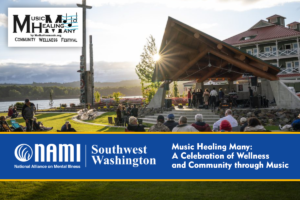
Music Healing Many: A Celebration of Wellness and Community through Music

Music Healing Many: A Celebration of Wellness and Community through Music

Aug 14, 2024

By NAMI Southwest Washington On September 7th, 2024, the Westin[...]

Recent Posts

  • When Caring for Someone Else Means Forgetting Yourself
  • When Small Changes Feel Like Big Challenges: Understanding the Stress of Transitions
  • When the Days Get Shorter: Protecting Your Mental Health Through Fall
  • Depression & Mental Health Screening Month
  • What Does Emotional Exhaustion Actually Feel Like?

Blogs by Category

  • Advocacy
  • Alcohol
  • Anxiety
  • Bi-Polar
  • Borderline Personality Disorder
  • Community
  • Depression
  • Dissociative Identity Disorder
  • Eating Disorders
  • Education
  • Events
  • Generational Trauma
  • Holidays & Mental Health
  • Homelessness
  • John LaPointe
  • Law Enforcement
  • LGBTQ+
  • Medication
  • Meditation
  • Mental Health Awareness
  • Mental Health Resources
  • Mental Health System
  • Mental Health Tips
  • Minority Mental health
  • OCD
  • Parenting
  • Personal Stories
  • Psychosis
  • PTSD
  • Recovery
  • Schizophrenia
  • Seasonal Affective Disorder
  • Self Care
  • Self Harm
  • Stigma
  • Stress
  • Suicide
  • Support Groups
  • Therapy and Treatments
  • Trauma
  • Uncategorized
  • Veterans
  • Youth Mental Health

Contact Us

We're currently offline. Send us an email and we'll get back to you, asap.

Sign up for our e-newsletter! NEWSLETTER SIGN-UP

Contact

  • EIN: 91-1065027
  • 4201 NE 66th Ave., Ste 105, Vancouver, WA
  • (360) 695-2823
  • info@namiswwa.org
  • NAMIswwa.org

© 2026 · NAMISWWA.org · Website design by Valo Consulting · EIN: 91-1065027

Prev Next

Press Enter to search · Esc to close