
When Anxiety Hides in Plain Sight: Understanding High-Functioning Anxiety
If you met James at a community event, you might describe him as dependable, organized, even admirable in the way he seems to have everything under control. He remembers people’s birthdays. He volunteers without being asked. He answers emails at dawn, shows up early to meetings, and keeps commitments others might easily forget. To the outside world, he looks steady — the person everyone can count on.
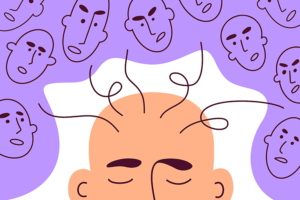
What no one sees, however, is the mental marathon happening behind the scenes. James moves through his days with a mind that never slows down, fighting battles no one knows exist. While he’s encouraging his coworkers or helping a friend, his thoughts are racing. While he’s checking tasks off a list, he’s mentally preparing for every worst-case scenario. And while he looks calm on the outside, he’s fighting through a current of worry that never truly quiets.
This is the reality of high-functioning anxiety — a form of anxiety that hides behind outward success and productivity. People who experience it often appear put together, but internally they are managing fear, tension, and self-doubt at nearly every moment. It’s a quiet, exhausting experience that can last for years before anyone realizes something is wrong.
Why It’s So Invisible
High-functioning anxiety often goes unnoticed because people who live with it are deeply skilled at masking their struggles. They may push themselves harder, stay busy, and excel in their responsibilities — not because they feel confident, but because slowing down feels like losing control.
Many people with high-functioning anxiety also believe they are not “allowed” to struggle since their lives appear stable or successful from the outside. They minimize their feelings, tell themselves they should be grateful, or compare themselves to others who seem to have more visible hardship. When they do feel overwhelmed, guilt often silences them.
It’s important to remember that mental health challenges are not measured by how things look from the outside. A person can be high-achieving and still feel consumed by anxiety. A person can appear calm while feeling like their body is in a constant state of alarm. Suffering doesn’t have to reach a crisis point before support becomes necessary or deserved.
How Slowing Down Helped One Woman Reclaim Her Life
Another community member, who we’ll call Sara, silently lived with high-functioning anxiety for most of her adult life. She excelled at work, juggled responsibilities at home, and was often described as “superwoman” by friends. But under her cheerful exterior was someone who never truly rested. Her heart raced even on quiet days. She replayed conversations repeatedly, fearing she had said the wrong thing. And when her head finally hit the pillow, her thoughts only grew louder.
Sara didn’t realize how much she was suffering until one particularly overwhelming morning when she couldn’t bring herself to get dressed for work. It wasn’t a dramatic breakdown — it was a moment of clarity. She recognized she had been running on autopilot for too long.
That day, she tried something she’d never done before: she sat alone and asked herself how she was actually feeling. It was uncomfortable at first, even strange, but it was the beginning of something new. She started doing this every morning — a quiet check-in with herself before facing the world. Over time, this practice became her anchor. She learned to recognize when her anxiety was building and give herself permission to pause, breathe, and adjust her day. Emotional inventory didn’t eliminate her anxiety, but it transformed her relationship with it.
Eventually, Sara became more present at home with her family and found herself able to enjoy moments she previously rushed through. At work, she felt calmer and more grounded, less driven by fear and more by intention. Through this small but powerful daily practice — paired with reaching out for support — her anxiety stopped controlling her life.
You Don’t Have to Navigate Anxiety Alone
If you see pieces of yourself in James’s story or Sara’s journey, please remember that support exists — and it’s closer than you think. NAMI Southwest Washington offers free support groups, social groups, education classes, and community programs designed to provide understanding, connection, and practical tools for managing anxiety. You don’t need a diagnosis, and you don’t need to be in crisis. You simply need a desire for support and a place to feel heard. We’re here to walk alongside you, at your pace, every step of the way. You are not alone, and you never have to carry this by yourself.