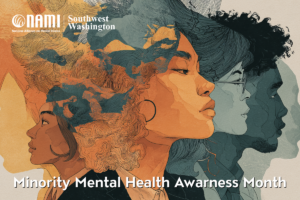

Every February, our nation recognizes Black History Month—a time to honor the profound contributions, lived experiences, and cultural strength of Black Americans. For NAMI Southwest Washington, it is also an important moment to reaffirm our commitment to mental health equity and the well-being of Black communities across Clark County.
Mental illness affects people of all backgrounds, but Black individuals often face unique, long-standing barriers that make accessing support more difficult. Understanding these realities helps us create a more informed, more compassionate community.
The Emotional Reality Behind the Statistics
Roughly 1 in 4 Black adults in the United States experiences symptoms of a diagnosable mental health condition each year. Yet many receive little or no treatment. This gap is shaped by a complex combination of factors: lack of insurance, economic barriers, persistent stigma, and the effects of racial discrimination within healthcare systems.
These disparities are not due to a lack of strength or resilience—Black communities have a long legacy of perseverance, creativity, and collective support. The challenges instead reflect systemic issues that must be acknowledged and addressed.
Historical Trauma and Its Ongoing Impact
For generations, Black Americans have endured forms of historical trauma—from enslavement and segregation to redlining and racially motivated violence. These experiences leave emotional imprints that can be passed down through families and communities.
This history has also contributed to a deep distrust of medical and mental health systems. Recognizing this context isn’t about dwelling on the past; it’s about understanding the present more fully so we can build services that truly meet people where they are.
Why Culturally Responsive Care Matters
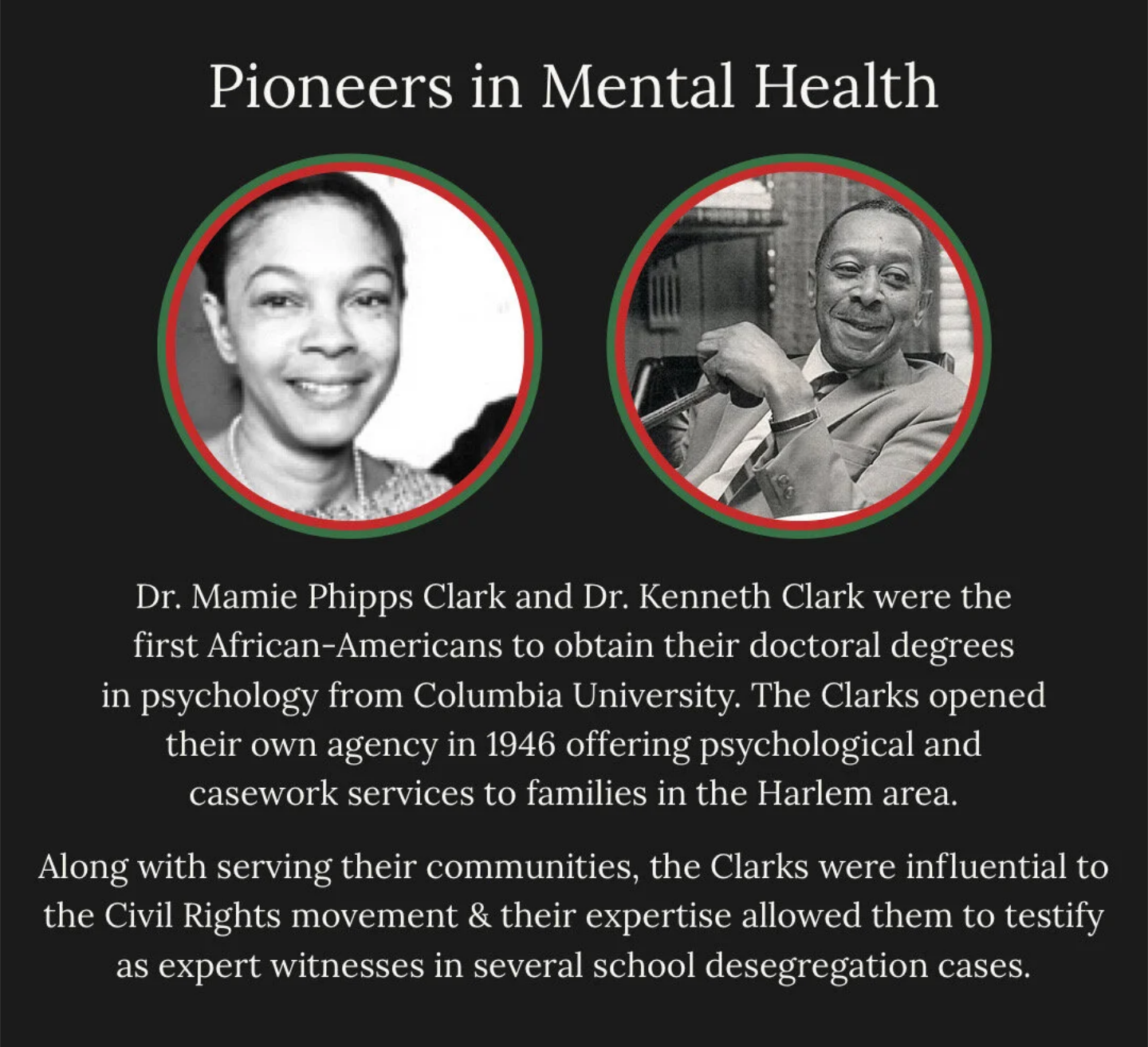
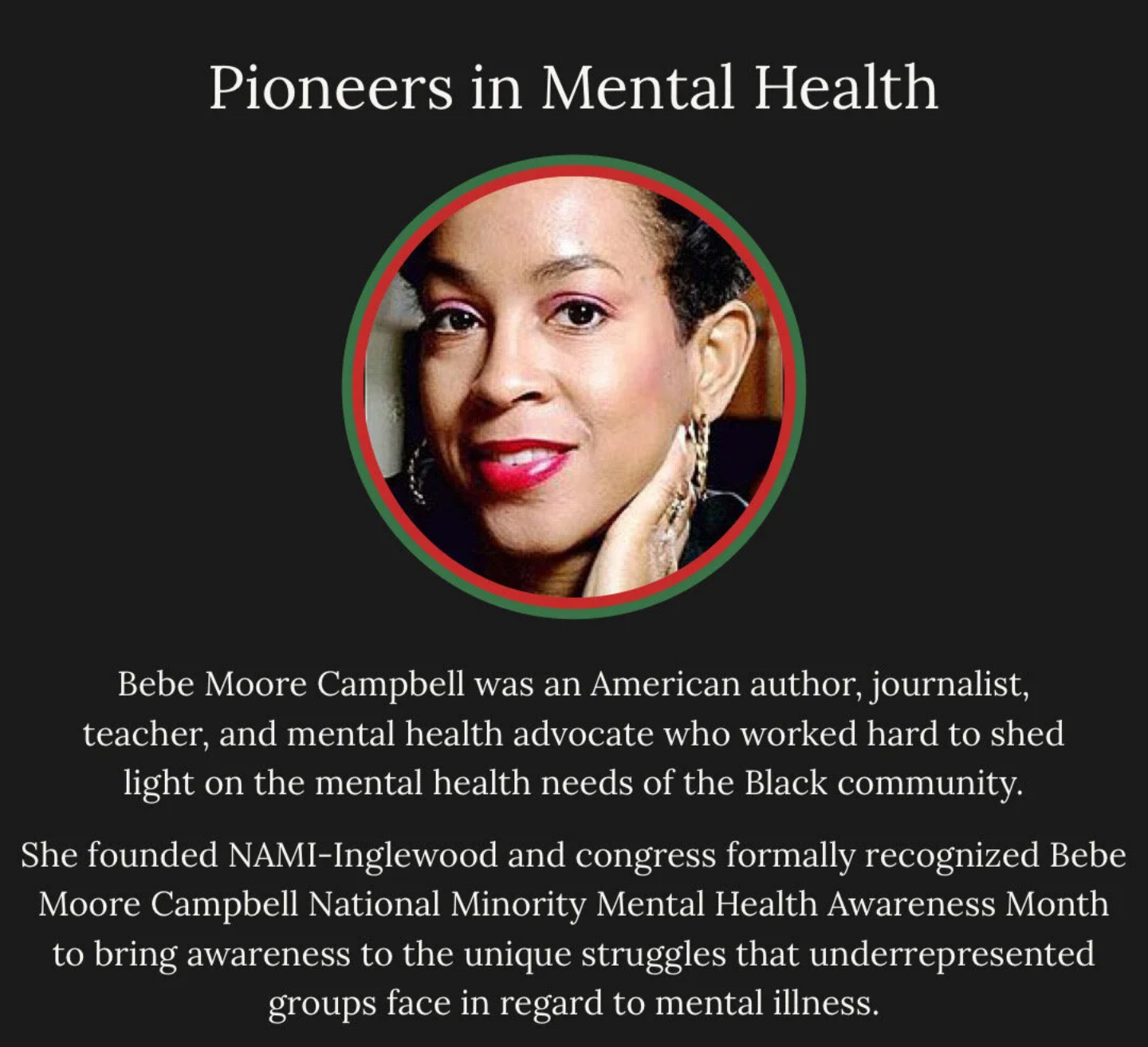
Healing is most effective when individuals feel seen and understood. Many Black community members have shared experiences of bias or misunderstanding when seeking mental health care. Culturally responsive care acknowledges a person’s identity, history, and lived experiences—including the ways racism or microaggressions can shape emotional well-being.
Representation in the mental health field is also vital. When people see themselves reflected in providers, peer groups, or educational programs, the path to support feels safer and more accessible.
At NAMI SW WA, we are committed to fostering environments where every person feels respected, validated, and empowered to seek help.
How You Can Participate
Throughout February, we invite everyone to join us in honoring Black History Month by engaging in conversations about mental wellness, sharing resources, and supporting efforts to reduce stigma. Participating in NAMI programs, attending support groups, learning about racial trauma, or simply checking in on loved ones can make a meaningful difference.
We’re also committed to expanding access to culturally informed support in our community. This includes listening to Black voices, collaborating with local partners, and continuing to advocate for equitable mental health policies. Want to help us advocate? Join us in Olympia for Lobby Day, February 16, 2026 (click here for more info)
A Path Forward — Together
Black History Month offers us space to reflect, but the work of healing and equity continues all year long. By learning more, speaking openly, and supporting one another, our community becomes stronger and more connected.
Every person deserves compassionate mental health care. Every voice deserves to be heard. And every step we take—together—brings us closer to a community where all people can experience wellbeing, dignity, and hope.
We are here for you, today and every day.