
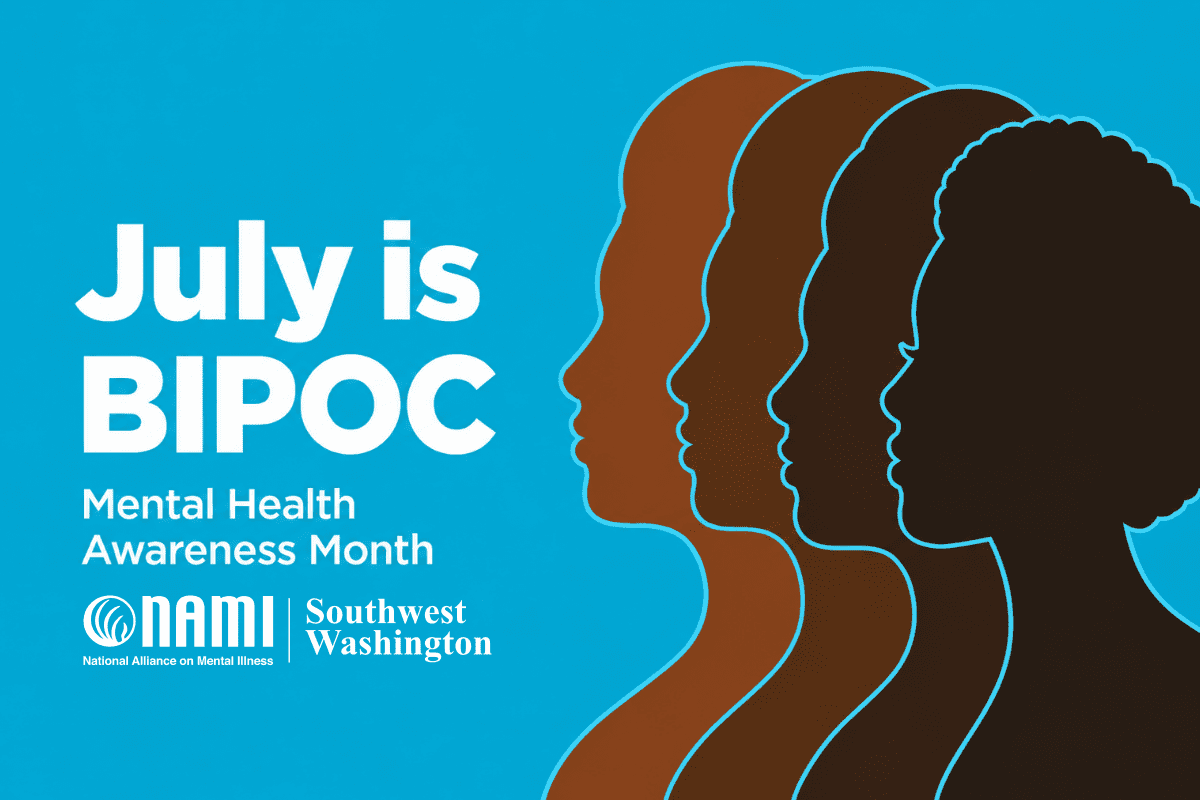
July is BIPOC Mental Health Month, also known as Bebe Moore Campbell National Minority Mental Health Awareness Month. This years theme, “More Good Days, Together,” centers something deeply important, the role of community connection, supportive check-ins, and trusted spaces in mental health and well-being.
That message matters.
For many people in Black, Indigenous, and communities of color, mental health does not exist in isolation. It is shaped by lived experience, culture, family, community, identity, and the very real impact of stress, discrimination, grief, exhaustion, and systemic barriers. Mental health conversations can also be affected by stigma, lack of access to culturally responsive care, and the pressure to keep going even when things feel heavy.
That is part of why trusted spaces matter so much. Healing often begins where people feel safe enough to be honest.
The Power of Trusted People & Spaces
Not every conversation about mental health starts in a therapist’s office. Sometimes it starts with a friend who notices you have been quieter than usual. Sometimes it starts with a family member asking a real question and staying long enough to hear the answer. Sometimes it happens in faith communities, neighborhood spaces, support groups, schools, or around a kitchen table.
Trusted spaces are powerful because they make room for people to show up as they are. They reduce the pressure to explain everything perfectly. They remind people that they do not have to carry hard things alone.
For many communities of color, trust is not a small thing. It is essential. When people have experienced judgment, dismissal, or harm in systems that were supposed to help, it makes sense that trust must be built carefully. That is why community-based support, culturally affirming care, and relationships rooted in respect can make such a meaningful difference.
Check-Ins Go Beyond “How Are You?”
This year’s theme also highlights supportive check-ins, and that feels especially important. A real check-in is more than a quick greeting or a surface-level question. It is asking with care. It is noticing changes. It is being willing to pause and listen without trying to rush someone past what they are feeling.
Sometimes supportive check-ins sound like:
“Do you want to talk about what’s been weighing on you?”
“You have been carrying a lot lately. How are you really doing?”
“I’m here with you, and you do not have to figure this out by yourself.”
These moments may seem small, but they can open the door to connection, honesty, and relief. They can remind someone that they are seen. They can help reduce isolation. They can also help people feel more comfortable reaching for additional support when they need it.
Good Days Does Not Mean Perfect Days
There is something hopeful and realistic about the phrase “More Good Days, Together.” It does not promise perfect days. It does not ignore the realities people may be facing. It simply makes room for the idea that even in hard seasons, more moments of support, peace, relief, and connection are possible.
That matters because mental health is not all or nothing. Sometimes progress looks like having one conversation you were afraid to start. Sometimes it looks like setting a boundary, asking for help, resting without guilt, or finding one person who feels safe to talk to. Sometimes it looks like creating a community where people do not have to hide what they are carrying.
More good days often begin with small, human moments.
Why This Matters for Communities of Color
Communities of color hold deep strength, wisdom, resilience, and care. At the same time, they may also face unique mental health stressors tied to racism, intergenerational trauma, economic pressure, cultural stigma, underrepresentation in care systems, and the burden of navigating unsafe or unwelcoming spaces.
Acknowledging those realities is not about defining communities by struggle. It is about being honest about what impacts mental health, and recognizing that support must be grounded in understanding, dignity, and cultural relevance.
BIPOC Mental Health Month is an opportunity to uplift both truth and hope. It is a time to affirm that mental health matters in every community, that support should be accessible and affirming, and that no one should have to choose between being understood and being helped.
Building More Good Days, Together
At NAMI Southwest Washington, we know that connection can be life-giving. We know that being heard without judgment can change the course of someone’s day, and sometimes much more than that. We also know that supportive communities do not happen by accident. They are built through intentional care, honest conversations, and a willingness to keep showing up for one another.
This month, and every month, we encourage our community to think about what trusted support can look like in real life. It may mean checking in with someone you care about. It may mean creating more space for honest conversations at home or in your community. It may mean seeking out support for yourself and remembering that you deserve care too.
More good days are possible. Not because life is always easy, but because connection, compassion, and community can help carry us through the hard parts.
And sometimes, that is where healing begins.